


United Kingdom EPR
What is UK EPR Packaging
The United Kingdom operates an Extended Producer Responsibility (EPR) system for packaging under:
-
Environment Act 2021
-
Producer Responsibility Obligations (Packaging Waste) Regulations
-
UK packaging reforms introduced by the Department for Environment, Food & Rural Affairs (DEFRA)
The UK packaging EPR system requires producers placing packaging on the UK market to contribute financially to the management and recycling of packaging waste.
Companies that place packaging or packaged goods on the UK market must generally:
-
EPR Register with the relevant environmental regulator
-
Collect and report packaging data
-
Meet recycling obligations through the PRN system
-
Pay applicable compliance costs
The system is enforced by regulators such as the Environment Agency.
Does this apply to e-commerce & online sales
Yes. UK packaging EPR compliance for online sellers rules apply regardless of the sales channel.
If a company sells packaged goods to customers in the UK — including through cross-border e-commerce — it may qualify as the obligated producer.
Distance sellers shipping directly to UK consumers may fall within scope if they are considered the entity placing packaging on the UK market.
Online marketplaces do not automatically assume producer responsibility unless they act as the importer or first placer.
Who is the producer under UK EPR?
Under UK packaging legislation, obligated entities may include:
-
Manufacturers of packaging
-
Manufacturers of packaged goods
-
Importers of empty packaging
-
Importers of packaged goods
-
Brand owners selling packaged goods under their own brand
-
Distance sellers supplying packaged goods directly into the UK
In practice, responsibility lies with the entity that first places packaging on the UK market.
Who must register for EPR packaging in the UK
Companies placing packaging on the UK market may need to EPR register if they meet certain criteria.
Typically, companies must:
-
Register with the relevant environmental regulator
-
Collect and report packaging data
-
Demonstrate recycling compliance using Packaging Waste Recovery Notes (PRNs)
Regulators responsible for enforcement include:
- Environment Agency (England)
- Scottish Environment Protection Agency
- Natural Resources Wales
- Northern Ireland Environment Agency
UK EPR Packaging Registration Threshold
According to the legislation (The Producer Responsibility Obligations (Packaging and Packaging Waste) Regulations 2024), EPR packaging thresholds companies are divided into two categories:Small producers:
- Annual turnover: £1 million to £2 million
- Packaging weight: over 25 tonnes per year
Large producers:
- Annual turnover: over £2 million
- Packaging weight: over 50 tonnes per year
Detailed EPR Guidance for each Jurisdiction
We support 36 jurisdictions

Packaging Covered (and Excluded)
Covered
Most packaging types are covered by UK packaging regulations, including:
-
Primary packaging
-
Secondary packaging
-
Tertiary (transport) packaging
Common materials include:
- plastic
- paper and cardboard
- glass
- aluminium
- steel
- wood
Shipping packaging used for e-commerce deliveries is also included.
Exclusions
Items not classified as packaging under UK or EU definitions are excluded.
Reusable packaging may follow specific compliance rules.
Producer Responsibility Organization (PRO)
The UK does not operate a single national Producer Responsibility Organization (PRO) for packaging.
Instead, producers demonstrate compliance through the Packaging Waste Recovery Note (PRN) system.
PRNs are issued by accredited recycling operators and recognised by regulators such as the Environment Agency.
Many companies join compliance schemes that manage PRN purchases and reporting obligations on their behalf.
EPR Registration in the UK
The compliance process typically involves:
-
EPR Registering with the relevant environmental regulator
-
Calculating packaging volumes handled during the year
-
Reporting packaging data by material type
-
Purchasing Packaging Waste Recovery Notes (PRNs) to demonstrate recycling compliance
Many producers work with approved compliance schemes to manage reporting and PRN obligations.
Authorized Representative
UK packaging legislation does not create a formal authorised representative regime for packaging.
However, foreign companies selling packaged goods into the UK often:
-
Register through a UK compliance scheme
-
Work with a UK-based compliance service provider
-
Align packaging reporting with VAT or import structures
Local administrative support is often used by companies without a UK establishment.
What Data Must Be Reported
Producers must EPR report:
-
Total weight of packaging handled
-
Breakdown by packaging material
-
Packaging type (where applicable)
-
Packaging imported or supplied to the UK market
Companies must maintain documentation supporting reported data.
First Reporting Period
Obligations apply once a company exceeds the relevant packaging thresholds.
EPR Reporting generally the calendar year (1 January – 31 December).
EPR Reporting Deadlines
Producers typically submit packaging reports according to regulatory schedules.
Common reporting deadlines include:
-
1 April – reporting for the previous calendar year
-
1 October – mid-year data reporting for large producers
Compliance is monitored by regulators such as the Environment Agency.
Labels & Marketing Claims
OPRL labels for EPR products in the UK
The UK does not have a single mandatory recycling logo. Instead, the industry-standard system is OPRL (On-Pack Recycling Label) — a widely adopted scheme that tells consumers how to recycle each part of the packaging. Accurate reporting depends on structured packaging data requirements covering material type, weight and packaging category.An example of what a label looks like on packaging for the UK
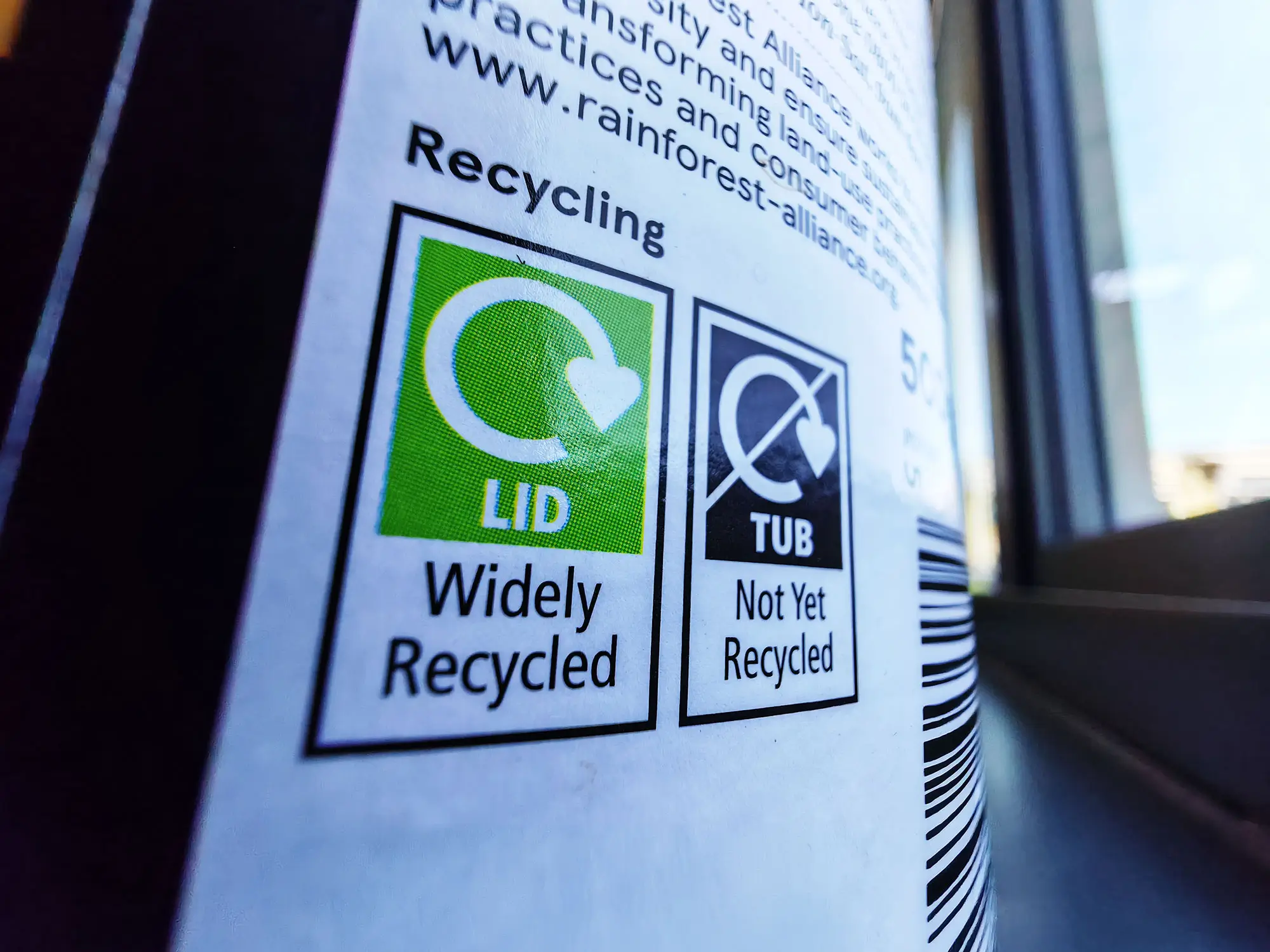 This packaging shows the OPRL labeling system. On this example, we can see two labels for different components: the LID is "Widely Recycled", while the TUB is "Not Yet Recycled". Labels are applied per component, so different parts of the same product may carry different instructions.
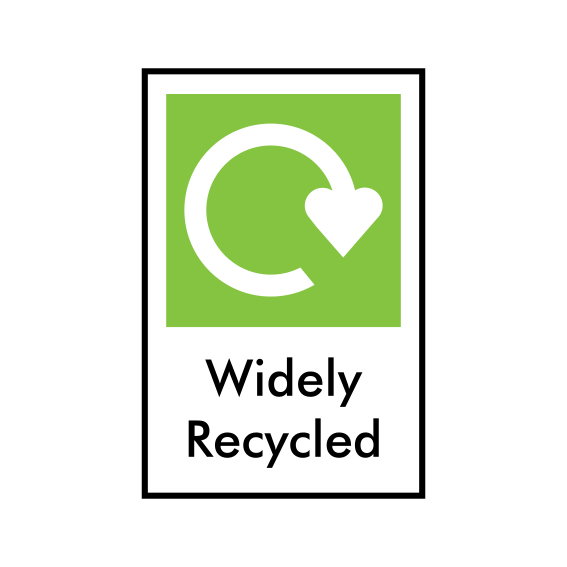
"Widely Recycled" label
The green "Widely Recycled" label means the packaging is accepted in over 75% of UK kerbside collections. It is the most common OPRL label, appearing on plastic bottles, cardboard, glass, and aluminium packaging.
📎Download the Widely Recycled label:
"Check Local Recycling" label
The amber "Check Local Recycling" label means recycling is available in some areas but not universally. Consumers should check what their local council accepts before recycling this component.
📎Download the Check Local Recycling label:

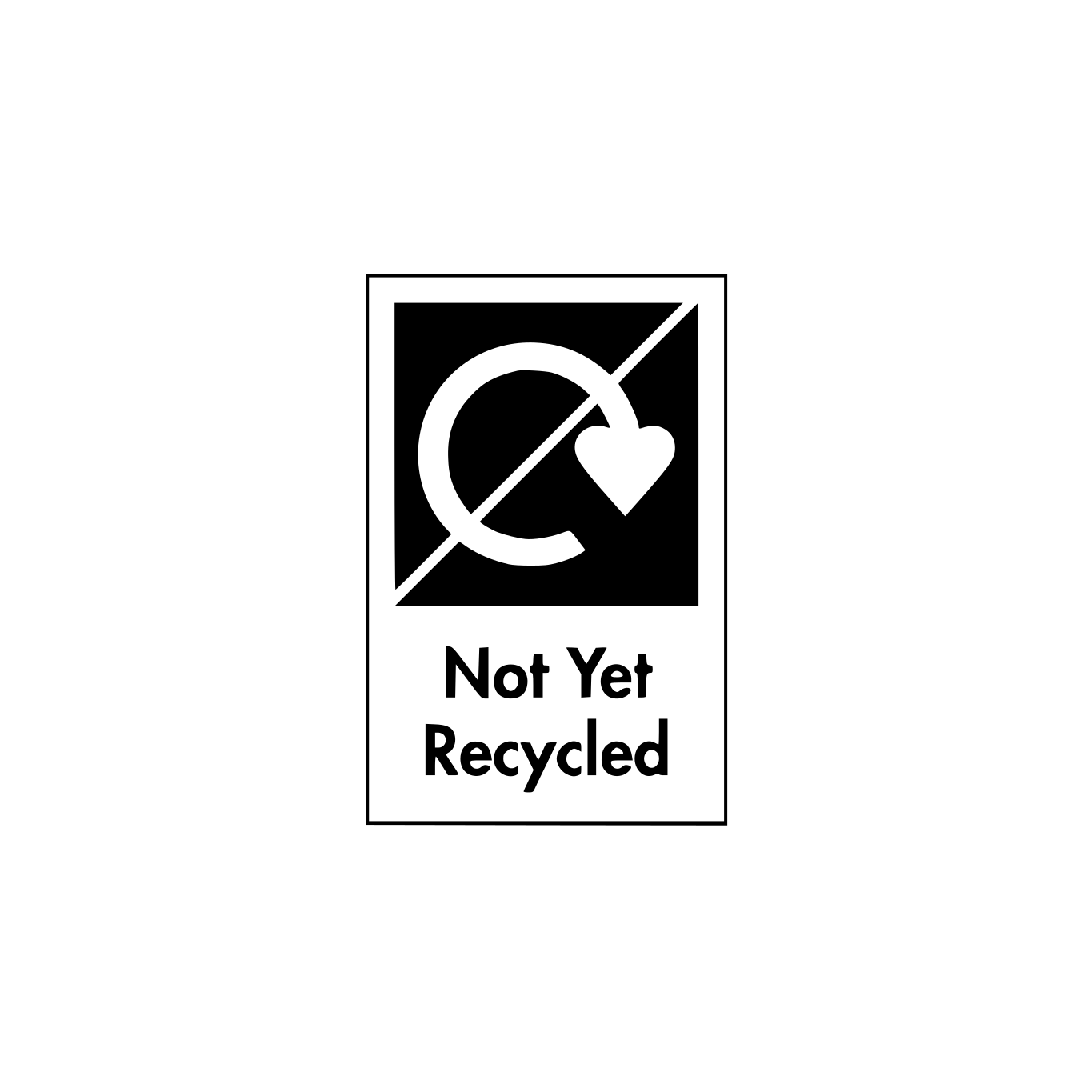
"Not Yet Recycled" label
The dark "Not Yet Recycled" label means no widely available recycling route currently exists for this packaging component. It should be placed in general waste.
📎Download the Not Yet Recycled label: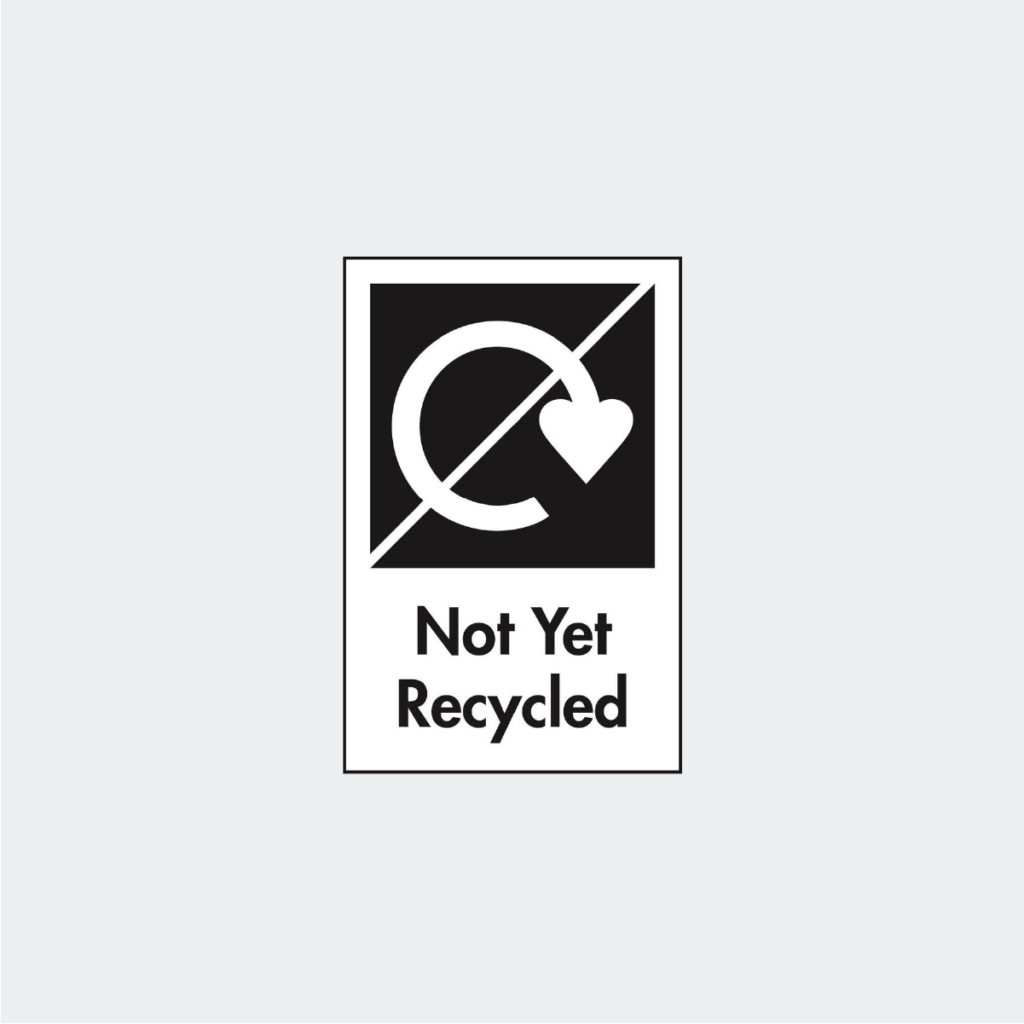
Additional OPRL label variants
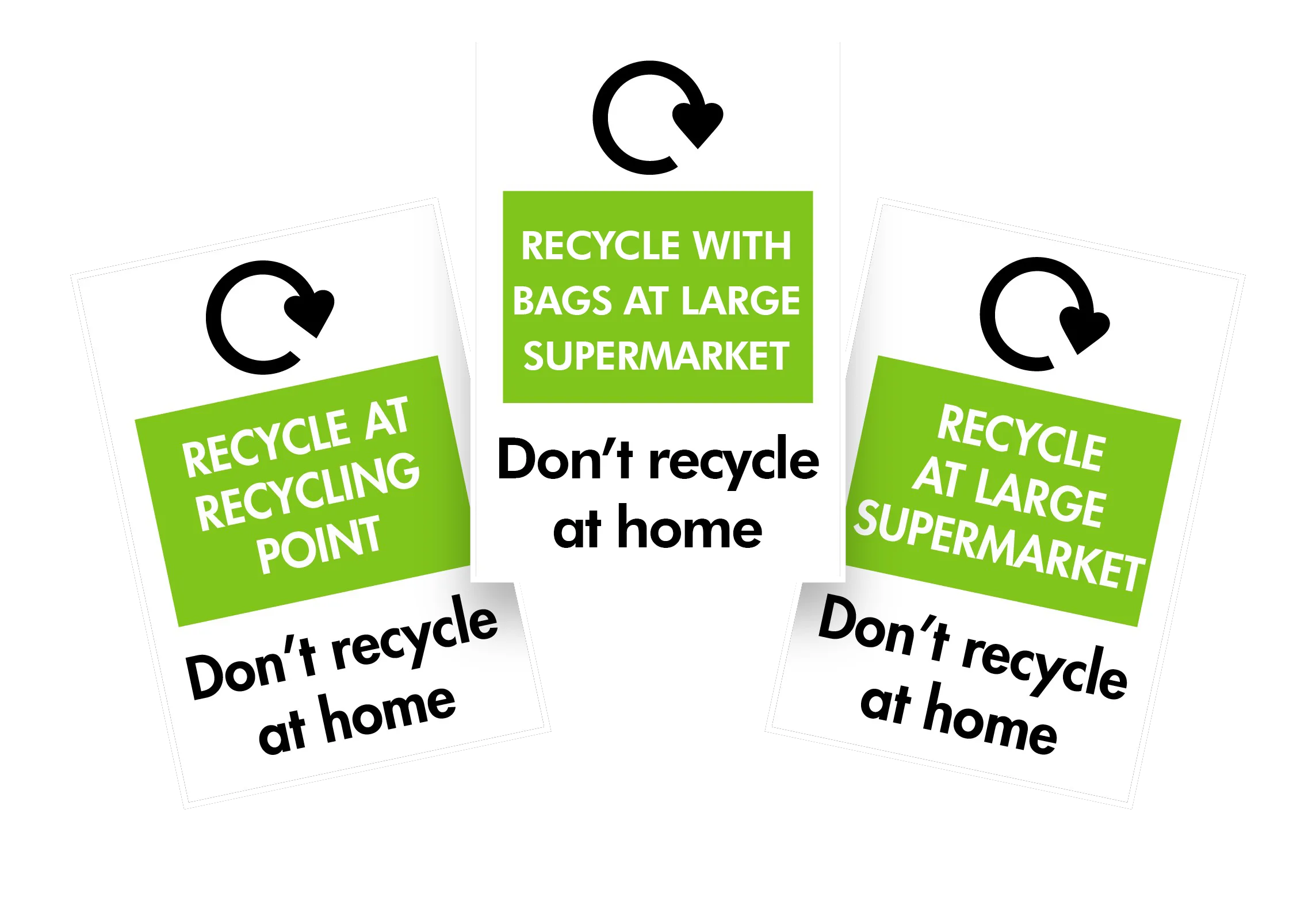
EPR Eco Fees & Eco-Modulation
Under the UK system, producers contribute financially to recycling through PRN purchases and compliance costs.
Environmental costs depend on:
-
Packaging material
-
Packaging weight
-
Market demand for recycling credits
Future reforms under DEFRA aim to expand eco-modulation, meaning packaging that is easier to recycle may incur lower compliance costs.
You can estimate potential packaging compliance costs with Lappa’s EPR fee calculator based on material type, packaging weight and market.
For registration, reporting and ongoing compliance service costs, see Lappa’s EPR pricing page.
Risks, Penalties & Common Mistakes
Non-compliance may result in:
-
Administrative fines
-
Enforcement actions by regulators
-
Backdated compliance obligations
Common mistakes include:
- failing to register after exceeding thresholds
- under-reporting packaging volumes
- misunderstanding which company in the supply chain is responsible
- assuming marketplace sales are automatically compliant
What E-Commerce Sellers Should Do Now
-
Determine whether they qualify as the producer placing packaging on the UK market
-
Calculate annual packaging volumes
-
Check whether they exceed the 50-tonne threshold
-
Register with the appropriate environmental regulator
-
Arrange compliance through PRNs or a compliance scheme
-
Monitor regulatory updates affecting UK packaging rules
Register online
Start your EPR Reporting within 24 hours
FAQ
Is UK packaging EPR mandatory?- Yes. Packaging compliance obligations are mandatory under UK environmental legislation.
- Yes, if they place packaged goods on the UK market.
- Companies handling less than 50 tonnes of packaging annually may have reduced obligations, depending on turnover and reporting requirements.
- Most producers obtain Packaging Waste Recovery Notes (PRNs) to demonstrate that equivalent packaging waste has been recycled.
What is United Kingdom EPR Batteries
Extended Producer Responsibility (EPR) for batteries in the United Kingdom is a regulatory framework that makes producers responsible for the collection, treatment, recycling, and environmentally sound disposal of batteries they place on the market.
The system is primarily governed by the Waste Batteries and Accumulators Regulations 2009 (as amended), which implement the former EU Batteries Directive (2006/66/EC) into UK law. Following Brexit, these regulations remain in force with UK-specific administration.
The legislation covers:
- Portable batteries
- Industrial batteries
- Automotive batteries
- Electric vehicle (EV) and light mobility transport (LMT) batteries
The framework requires producers to:
- Register with the appropriate regulator
- Report battery volumes placed on the UK market
- Finance collection and recycling schemes
- Ensure compliance with labeling and information obligations
Regulatory oversight is carried out by agencies such as the Environment Agency (England), Scottish Environment Protection Agency (SEPA), Natural Resources Wales (NRW), and the Northern Ireland Environment Agency (NIEA).
Does this apply to e-commerce & online sales
Yes, the UK battery EPR rules explicitly apply to e-commerce and distance selling.
Foreign and domestic businesses are in scope if they:
- Sell batteries directly to UK end users via online channels
- Import batteries into the UK for sale
- Supply batteries through online marketplaces
Online marketplaces themselves may not be considered producers, but:
- They are increasingly subject to compliance scrutiny
- They may require sellers to provide proof of EPR registration
Cross-border sellers placing batteries on the UK market are treated as producers and must comply with UK EPR obligations.
Who is the producer under United Kingdom EPR?
Under the Waste Batteries and Accumulators Regulations 2009, a "producer" includes any entity that, irrespective of selling technique:
- Manufactures batteries in the UK and sells them under its own brand
- Imports batteries into the UK market
- Places batteries on the UK market under its own brand (private label)
- Sells batteries directly to UK consumers via distance selling (including foreign sellers)
The definition applies regardless of whether batteries are sold:
- Standalone
- Integrated into electrical products
Who must register for EPR batteries in United Kingdom
Any company classified as a producer must register with the relevant environmental regulator depending on where they are established:
- Environment Agency (England)
- SEPA (Scotland)
- NRW (Wales)
- NIEA (Northern Ireland)
Registration obligations depend on the size of the producer:
- Large producers (≥1 tonne of portable batteries per year):
- Must join an approved Battery Compliance Scheme (BCS)
- Small producers (<1 tonne per year):
- Must register directly with the regulator
All producers must:
- Obtain a producer registration number
- Submit annual data reports
- Maintain records for compliance verification
United Kingdom EPR Battery Registration Threshold
The main threshold is based on the volume of portable batteries placed on the UK market:
- 1 tonne per year determines whether a producer is classified as small or large
- No exemption from registration exists purely based on turnover
- All producers placing batteries on the market must register, regardless of volume
-guide" variations="3"]
Batteries Covered (and Excluded)
Covered categories
- Portable batteries
- Sealed batteries under 5 kg
- Common in consumer electronics
- Industrial batteries
- Designed for industrial or professional use
- Includes energy storage systems
- Automotive batteries
- Used for vehicle starting, lighting, or ignition
- EV / LMT batteries
- Batteries used in electric vehicles and micromobility devices
Exclusions
Certain batteries are excluded from scope, including:
- Batteries used in military equipment
- Batteries used in space equipment
- Equipment necessary for the protection of essential security interests
Producer Responsibility Organization (PRO)
In the UK, producers fulfill their obligations through Battery Compliance Schemes (BCS), which act as Producer Responsibility Organizations.
Key functions of BCS:
- Register producers with regulators
- Collect and report battery data
- Organize collection and recycling systems
- Ensure national recycling targets are met
Examples of approved schemes include:
- Valpak
- Ecosurety
- ERP UK
Large producers are legally required to join one of these schemes.
EPR Registration in United Kingdom
The registration process typically involves:
- Determining producer status and battery category
- Selecting an approved Battery Compliance Scheme (for large producers)
- Submitting company and product data
- Paying registration fees
- Receiving a producer registration number
- Setting up internal tracking for reporting obligations
Small producers register directly with the regulator via official portals.
Authorized Representative
Foreign companies without a physical presence in the UK must ensure compliance by:
- Appointing a UK-based Authorized Representative (AR) or
- Registering via a compliance scheme that can act on their behalf
The AR:
- Handles registration and reporting
- Acts as the legal contact point for regulators
- Ensures ongoing compliance
This requirement is critical for non-UK e-commerce sellers.
What Data Must Be Reported
Producers must report detailed data on batteries placed on the market, including:
- Total weight (in tonnes)
- Battery category (portable, industrial, automotive)
- Chemical composition (e.g. lithium-ion, lead-acid, NiMH)
- Number of units (where required)
- Collection and recycling data (via compliance schemes)
Accurate categorization is essential for compliance and fee calculation.
First Reporting Period & EPR Reporting Deadlines
Key reporting timelines include:
- Annual reporting period aligned with the calendar year
- Registration must be completed by 15 October each year
- Data submissions typically required quarterly (for large producers via BCS)
Failure to meet deadlines may result in enforcement action.
Labels & Marketing Claims
Batteries placed on the UK market must comply with labeling requirements:
- Crossed-out wheeled bin symbol indicating separate collection
- Chemical symbols (e.g. Pb, Cd, Hg) where thresholds are exceeded
- Capacity labeling (for portable and automotive batteries)
- Clear instructions for safe disposal and recycling
Misleading environmental claims are prohibited under UK consumer protection laws.
EPR Eco Fees & Eco-Modulation
EPR costs in the UK are typically managed through compliance schemes and are based on:
- Weight of batteries placed on the market (per tonne)
- Battery chemistry and recycling complexity
- Administrative and operational costs of the scheme
While eco-modulation is not yet fully standardized, schemes may:
- Adjust fees based on recyclability
- Incentivize less hazardous materials
Risks, Penalties & Common Mistakes
Non-compliance can result in enforcement actions by regulators such as the Environment Agency.
Common risks include:
- Failure to register as a producer
- Incorrect classification of battery types
- Missing reporting deadlines
- Underreporting volumes
- Lack of proper labeling
Penalties may include:
- Financial fines
- Enforcement notices
- Business disruption or sales restrictions
What E-Commerce Sellers Should Do Now
- Assess whether you qualify as a UK battery producer
- Determine your annual battery volume (tonnage)
- Register with the appropriate authority or join a compliance scheme
- Appoint an Authorized Representative if based outside the UK
- Implement systems for tracking battery data
- Ensure all products meet labeling requirements
- Monitor reporting deadlines and maintain documentation
-guide" variations="4"]
FAQ
- Is battery EPR mandatory in the United Kingdom?
Yes, compliance is mandatory under the Waste Batteries and Accumulators Regulations 2009. - Do foreign sellers need to comply?
Yes, foreign companies selling directly to UK consumers are considered producers. - Is there a minimum threshold for registration?
No exemption exists—however, the 1 tonne threshold determines reporting obligations. - What labeling is required for batteries?
The crossed-out wheeled bin symbol, chemical markings, and capacity labeling are required. - Do online marketplaces handle compliance?
No, responsibility remains with the seller, although marketplaces may request proof of compliance.
Packaging EPR law in United Kingdom: None enacted
United Kingdom is not among the countries with enacted textile EPR legislation.Want to be first to know when new EPR will issued?
Only important news!
What is UK EPR for Electrical and Electronic Equipment (EEE)
The United Kingdom operates an Extended Producer Responsibility (EPR) framework for electrical and electronic equipment under the Waste Electrical and Electronic Equipment (WEEE) Regulations 2013 (as amended). This legislation, retained from EU law and adapted for UK implementation, makes producers responsible for financing the collection, treatment, recycling, and environmentally sound disposal of WEEE they place on the UK market.
The framework applies to a broad range of electrical and electronic devices, from household appliances to IT equipment, consumer electronics, lighting, and telecommunications devices. The WEEE Regulations require producers to register with the appropriate environmental regulator, report data on equipment volumes placed on the market, and finance collection and recycling schemes that operate in each UK nation.
Regulatory oversight is carried out by:
- Environment Agency (England)
- Scottish Environment Protection Agency (SEPA)
- Natural Resources Wales (NRW)
- Northern Ireland Environment Agency (NIEA)
The system is fully mandatory for all producers placing EEE on the UK market, regardless of business size or sales channel.
Does this apply to e-commerce & online sales
Yes. The UK WEEE Regulations explicitly apply to e-commerce and distance selling.
If you sell electrical or electronic equipment to customers in the UK — including through cross-border e-commerce platforms, online marketplaces, or direct-to-consumer channels — you may qualify as the obligated producer.
Distance sellers and foreign companies shipping EEE directly to UK consumers fall within scope if they are the entity first placing that equipment on the UK market. Online marketplaces do not automatically assume producer responsibility unless they act as the importer or first placer of the equipment.
Retailers and distributors that sell existing stock are generally not treated as producers for WEEE purposes, provided the original manufacturer or importer bears the responsibility.
Who is the "producer" under UK EPR for EEE
Under the Waste Electrical and Electronic Equipment Regulations 2013, a producer is any natural or legal person who, in the course of commercial activity:
- Manufactures EEE in the UK and places it on the UK market under its own name or brand
- Imports EEE from outside the UK for the first time under its own name or brand
- Re-brands EEE and places it on the UK market as a private label owner
- Sells EEE directly to UK consumers via distance selling (including foreign sellers)
- Supplies EEE into the UK under a commercial arrangement
Producers are responsible regardless of whether equipment is sold as standalone units or as part of larger systems or products. The key test is whether the party first places the equipment on the UK market under their own name or commercial responsibility.
Who must register for EPR EEE in the UK
Any company classified as a producer must register with the appropriate environmental regulator depending on which UK nation the equipment is being placed on the market:
- Environment Agency (England)
- SEPA (Scotland)
- NRW (Wales)
- NIEA (Northern Ireland)
Registration must occur before or at the time equipment is first placed on the UK market. Foreign companies without a physical presence in the UK must appoint a UK-based Authorised Representative to handle registration and ongoing compliance obligations.
All producers must:
- Obtain a producer registration number from the relevant regulator
- Submit annual data reports on equipment volumes placed on the market
- Join an approved Producer Compliance Scheme (PCS) or demonstrate individual compliance
- Maintain records for verification and audit purposes
UK EPR EEE Registration Threshold
The Waste Electrical and Electronic Equipment Regulations 2013 do not establish a de minimis exemption based on volume or turnover. All producers placing EEE on the UK market must register and comply regardless of the quantity or value of equipment supplied.
However, producers are classified based on their annual turnover:
- Large producers: Annual turnover exceeding £2 million — subject to full compliance obligations including mandatory membership in a Producer Compliance Scheme
- Small producers: Annual turnover of £1 million to £2 million — subject to registration and reporting, with options for compliance scheme membership
The threshold is based on both the nature and volume of equipment placed on the market. No company placing electrical or electronic equipment on the UK market is exempt from registration and reporting obligations.
Detailed EPR Guidance for each Jurisdiction
We support 36 jurisdictions
EEE Categories Covered (and Excluded)
The UK WEEE Regulations cover a broad range of electrical and electronic equipment, organized into several categories:
- Large household appliances Refrigerators, freezers, washing machines, dishwashers, tumble dryers, and electric cookers.
- Small household appliances Microwave ovens, vacuum cleaners, coffee machines, electric toasters, kettles, fans, and similar portable household devices.
- IT and telecommunications equipment Desktop computers, laptops, tablets, monitors, keyboards, computer mice, printers, scanners, photocopiers, telephone handsets, and mobile phones.
- Consumer electronics Television sets, DVD and Blu-ray players, video recorders, music systems, gaming consoles, digital cameras, and camcorders.
- Lighting equipment Light bulbs (including LED and fluorescent bulbs), luminaires, and lighting fixtures designed for use with an external power supply.
- Electrical and electronic tools Power drills, saws, grinders, welding equipment, and other professional tools powered by electricity or rechargeable batteries.
- Toys, leisure and sports equipment Electrically powered toys, games consoles, electric bicycles, sports equipment with electronic components, and music instruments.
- Medical devices Electrocardiograph machines, defibrillators, infusion pumps, and other electrically powered medical equipment (excluding implanted devices for human medical purposes).
- Monitoring and control instruments Thermostats, smoke detectors, security systems, and industrial control equipment.
- Automatic dispensers Vending machines and automated cash machines.
- New category (open scope) From 2027, additional product categories may be added under post-2018 scope expansion, including products with electronic components previously outside the core WEEE categories.
Key Exclusions:
- Equipment designed for military or space use
- Large-scale fixed installations (e.g. industrial machinery permanently installed in factories)
- Vehicles (covered separately under automotive legislation)
- Fuel cells and photovoltaic panels (may have separate obligations)
- Equipment designed for other purposes where electrical functionality is incidental
Producer Responsibility Organization (PRO)
The UK does not operate a single national PRO for WEEE. Instead, producers fulfil their obligations through Producer Compliance Schemes (PCS), which are approved by the regulators in each UK nation.
A Producer Compliance Scheme is a collective system that:
- Registers producers on behalf of members
- Collects and aggregates data on equipment volumes
- Organizes collection and treatment infrastructure
- Ensures recycling targets are met
- Reports compliance data to regulators
- Handles fee collection and payment to treatment facilities
Large producers are legally required to join a PCS. Small producers may operate independently or join a scheme.
Examples of major approved Producer Compliance Schemes in the UK include:
- Valpak
- Ecosurety
- ERP UK
- WEEE Ireland (cross-border)
Producers should confirm the status and availability of schemes in their target market (England, Scotland, Wales, or Northern Ireland) before registration.
EPR Registration in the UK
The compliance process for UK EEE EPR typically involves:
- Determine whether your business qualifies as a producer under the WEEE Regulations (whether you place EEE on the UK market under your own name or brand)
- If established outside the UK, appoint a UK-based Authorised Representative to manage compliance obligations
- Select an appropriate Producer Compliance Scheme (for large producers, mandatory; for small producers, optional but recommended)
- Register with the scheme, providing company details, product categories, and brand names under which equipment is placed on the market
- Receive a producer registration number from the scheme or regulator
- Submit annual data declarations on quantities and weights of equipment placed on the UK market, broken down by category
- Contribute financially to the scheme based on equipment volumes and category
- Maintain records and documentation supporting all reported data
Registration must be completed before equipment is first placed on the UK market. Failure to register before market entry constitutes a breach of the Regulations.
Authorised Representative
Producers established outside the UK must appoint an Authorised Representative — a legal or natural person established in the UK — to fulfil EPR obligations on their behalf.
The Authorised Representative is responsible for:
- Registering the producer with the chosen Producer Compliance Scheme
- Submitting annual data on equipment volumes
- Ensuring financial contributions are paid
- Communicating with regulators and the scheme
- Maintaining compliance records
The appointment must be documented in writing and communicated to the scheme at the time of registration.
For non-UK e-commerce sellers and foreign manufacturers, appointing a UK-based Authorised Representative or engaging a UK compliance service provider is a legal requirement before any EEE can be placed on the UK market.
What Data Must Be Reported
Producers must report the following data through their Producer Compliance Scheme:
- Total weight (kilograms) of equipment placed on the UK market during the reporting period, broken down by equipment category
- Number of units placed on the market (in addition to weight)
- Brand names under which equipment was placed on the market
- Model information where available and relevant to categorization
- Equipment categories (large appliances, small appliances, IT, consumer electronics, lighting, tools, toys, medical devices, etc.)
- Collection performance data compiled and reported by the scheme on behalf of members
All data must be supported by appropriate business records, invoices, shipping documents, and customs declarations where applicable.
First Reporting Period & EPR Reporting Deadlines
Key reporting timelines and obligations:
- Obligation commencement: Reporting obligations begin from the moment equipment is first placed on the UK market
- Registration deadline: Registration with a Producer Compliance Scheme must be completed before or at the time equipment is placed on the market
- Annual reporting period: Typically aligned with the calendar year (1 January – 31 December)
- Data submission deadlines: Producers must submit data to their scheme by 31 March following the reporting year, although specific deadlines may vary by scheme and nation
- Q3 reporting: Large producers may also be required to provide mid-year reporting by 30 September
Failure to register before placing equipment on the market or missing reporting deadlines may result in enforcement action by the relevant environmental regulator.
Labels & Marketing Claims
Electrical and electronic equipment placed on the UK market must comply with labeling requirements:
- Crossed-out wheeled bin symbol All EEE must display the crossed-out wheeled bin symbol indicating that the product should not be disposed of as ordinary waste. The symbol must be clearly visible and permanent.
- Capacity and chemical markings Equipment containing hazardous substances must carry appropriate markings and warnings. For example, batteries containing more than specified thresholds of cadmium, lead, or mercury must be clearly marked.
- Producer identification Equipment must include the name or trademark and address of the producer or their Authorised Representative.
- CE marking Where applicable under UK product safety legislation, equipment must bear the CE marking.
- Language requirements All consumer-facing information, including disposal instructions and warnings, must be provided in English (or English plus other UK languages as appropriate).
- Environmental claims Any environmental or sustainability claims made on packaging or marketing materials must comply with UK consumer protection law and advertising standards. Unsubstantiated green claims are prohibited under the Consumer Protection from Unfair Trading Regulations 2008 and the Misleading Advertising Regulations.
EPR Eco Fees & Eco-Modulation
Producers contribute financially to WEEE management through their Producer Compliance Scheme. Eco-fees (contribution amounts) are typically calculated based on:
- Equipment weight (kilograms) placed on the market by category
- Equipment category (large appliances, small appliances, IT equipment, consumer electronics, lighting, tools, medical devices, etc.)
- Recycling complexity and treatment costs associated with each category
- Collection and treatment infrastructure costs managed by the scheme
The UK WEEE Regulations require eco-modulation, meaning contributions should reflect the environmental impact and cost of treating different equipment types. This incentivizes:
- Manufacturers to design equipment that is easier and cheaper to recycle
- Use of less hazardous materials in products
- Increased durability and repairability
Specific fee schedules and eco-modulation adjustments are determined by individual Producer Compliance Schemes and may vary. Producers should request detailed fee information from their chosen scheme.
Risks, Penalties & Common Mistakes
Non-compliance with UK WEEE Regulations may result in significant enforcement action and financial penalties.
Operating without registration Placing EEE on the UK market without registering with an approved Producer Compliance Scheme or as an independent producer is a breach of the Regulations. The Environment Agency and other regulators actively enforce this requirement. Penalties may include:
- Fines up to £50,000 or higher for serious violations
- Criminal prosecution in severe cases
- Forced removal of products from the market
- Business suspension orders
Failing to appoint an Authorised Representative
Foreign companies without a UK establishment must appoint a UK-based Authorised Representative before registering. Operating without one is a compliance breach.
- Underreporting equipment volumes Submitting inaccurate or incomplete data on equipment quantities placed on the market reduces contributions paid and is a regulatory breach. Regulators conduct audits and may impose backdated fines.
- Misclassifying equipment categories Placing equipment in the wrong category (e.g., treating large appliances as small appliances) may result in incorrect fee calculations and compliance failures.
- Assuming one UK registration covers all nations WEEE registration is national. While equipment placed on the UK market generally requires registration with a single scheme covering England, Scotland, Wales, and Northern Ireland, producers should confirm requirements with their regulator and scheme.
- Missing reporting deadlines Failure to submit annual data by the deadline may result in warnings, fines, or removal from the scheme.
- Ignoring labeling requirements Equipment without the crossed-out wheeled bin symbol or other required markings may not comply with regulations. Retailers and marketplaces may reject non-compliant products.
- Not updating product information Producers must update registration data when adding new product lines, brands, or categories. Failing to declare new equipment is a compliance gap.
- Assuming marketplace compliance covers obligations Online marketplaces (Amazon, eBay, etc.) do not handle WEEE compliance for sellers. The seller, as the producer, remains legally responsible.
What E-Commerce Sellers Should Do Now
- Determine whether you place electrical or electronic equipment on the UK market and whether you qualify as a producer
- If you are based outside the UK, identify and appoint a UK-based Authorised Representative who can handle registration and compliance
- Select an appropriate Producer Compliance Scheme operating in the UK
- Register with the scheme before placing any EEE on the UK market, providing accurate company details, product categories, and brand information
- Obtain your producer registration number and confirm it is recognized by major online marketplaces where you sell
- Implement systems to track and calculate the weight and number of equipment units placed on the UK market annually
- Verify that all products carry the crossed-out wheeled bin symbol and appropriate consumer instructions in English
- Submit accurate annual data to your scheme by the deadline (typically 31 March)
- Pay applicable eco-fees and maintain documentation supporting all reported volumes
- Monitor regulatory updates and scheme communications for changes to requirements or deadlines
Register online
Start your EPR Reporting within 24 hours
FAQ
- Is WEEE EPR mandatory in the United Kingdom?
- Do foreign e-commerce sellers need to comply?
- Is there a de minimis threshold below which registration is not required?
- What labeling is required for electrical equipment?
- Do online marketplaces handle WEEE compliance for sellers?
- Can a single registration cover England, Scotland, Wales, and Northern Ireland?