

Protect Your EU Omnichannel Sales — Start Your PPWR Compliance Today
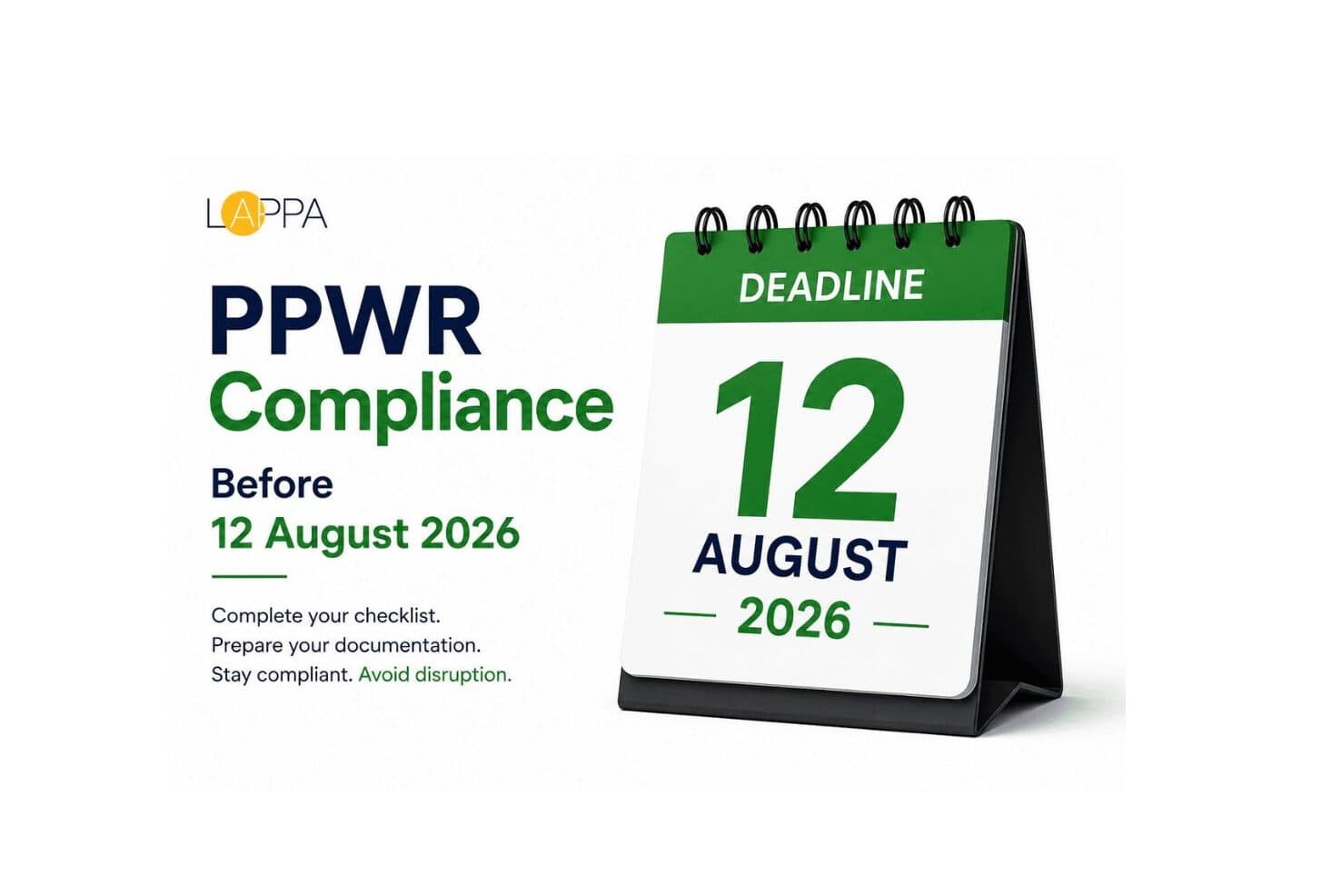
You sell through a webshop, a few marketplaces, and maybe a shelf or two in retail. Each route once had its own quirks, yet one rulebook now binds them all. The Packaging and Packaging Waste Regulation, known as Regulation (EU) 2025/40, applies from 12 August 2026. Miss its duties and a listing can vanish overnight. This guide shows you how to protect every channel at once.
Why PPWR Omnichannel Compliance Matters Now
PPWR omnichannel compliance means treating your packaging as one obligation, not five separate ones. A buyer never sees the channel behind a parcel, yet the regulator checks the same rules everywhere. A gap in your marketplace paperwork can sink your own webshop too. That shared risk is exactly why a single, joined-up approach wins.
The stakes climb the moment you cross a border. A German buyer, a French marketplace, and a Dutch warehouse can each trigger a different national duty. Handling those threads channel by channel breeds gaps and cost. Unifying the work under one banner keeps your whole footprint defensible.
What Changes on August 12, 2026
Three duties dominate the first wave, and none of them care which channel you use. Every format you place on the market needs a signed declaration of conformity. A technical file must sit behind that claim, ready for inspection. Substance limits and minimisation rules apply from day one.
There is no grace period for old stock either. A parcel packed in July 2026 still fails if it breaches the new limits. Retailers and platforms already ask suppliers for proof months ahead. Waiting for enforcement to knock is the costliest plan of all.
One Rulebook Across Packaging Europe
Regulation now unifies the field right across packaging Europe relies on, from Lisbon to Warsaw. It replaces a patchwork of 27 national regimes with a single reference. Industry outlets, including the trade title Packaging Europe, track each new delegated act closely. That shared baseline is a gift to any seller working in several countries.
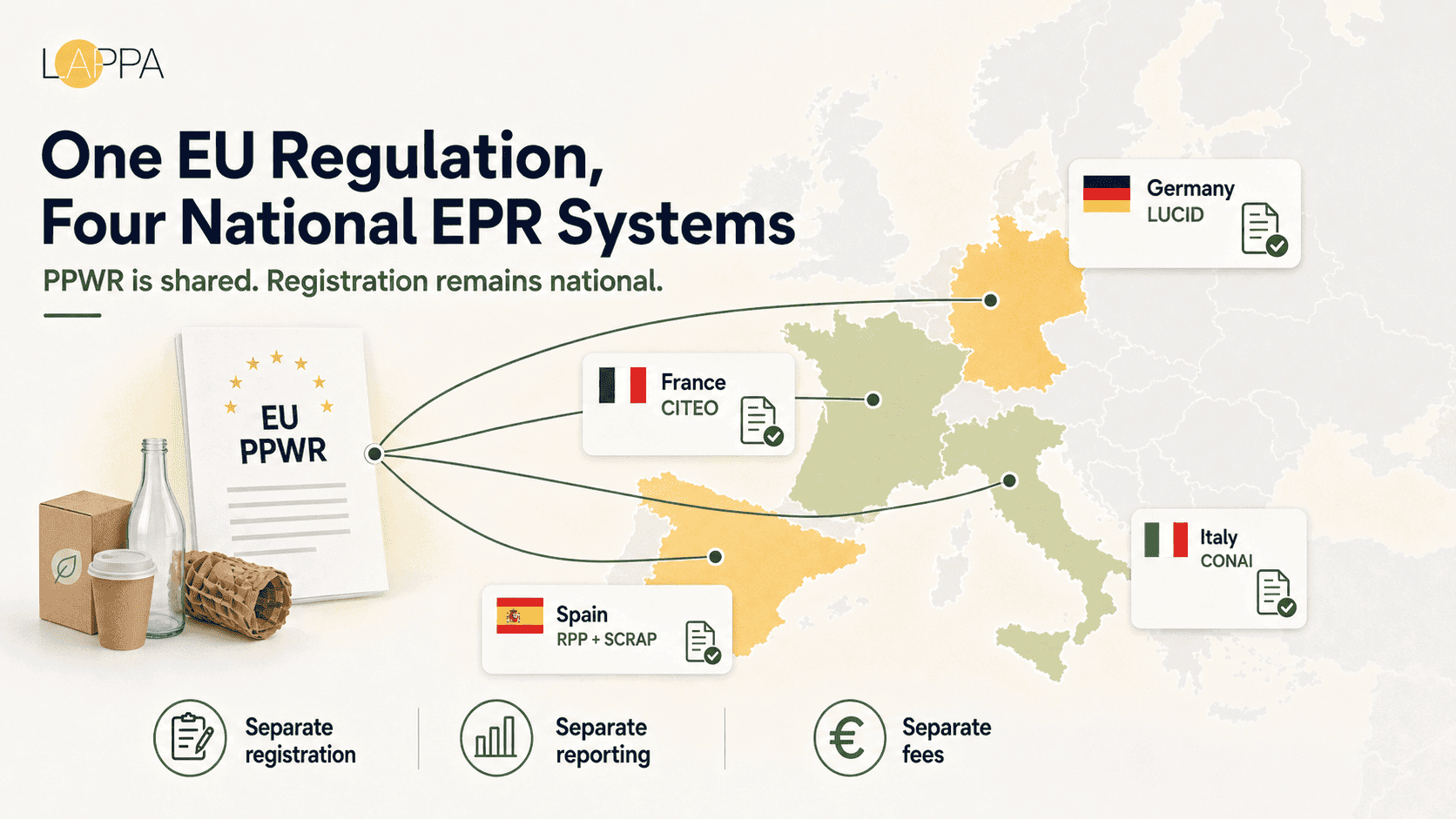
The catch: national bodies still enforce on the ground. Registration and fees vary from one member state to the next. A common law does not mean a single form to file. You gain clarity on the rules, yet the admin stays local.
PPWR Ecommerce Rules You Cannot Ignore
PPWR ecommerce duties hit the parcel itself, not just the product inside. Online orders travel in mailers, boxes, and void fill that all count as packaging. From 1 January 2030, Article 24 caps empty space in e-commerce, grouped, and transport formats at 50 percent. Minimisation duties, though, already bite from August 2026.
Here’s where it gets tricky. Filler such as air cushions, bubble wrap, and foam chips counts as empty space, not as protection. A shoebox rattling inside a giant carton is the classic failure. Right-sizing your parcels cuts both the void and your shipping bill.
The Empty Space Problem in Online Orders
Void space quietly drives waste, cost, and now legal risk. Amazon and Zalando already switched to paper mailers and cartonisation to trim air. Their moves preview what every online seller will need to do. A quick audit of your parcel range usually finds easy wins.
Practical moves that shrink void space fast:
- Offer several box sizes rather than one oversized default
- Replace loose fill with right-sized cartons where possible
- Cut secondary layers that add no real protection
- Measure the void ratio on your top-selling parcels first
PPWR Compliance for Multichannel Sellers
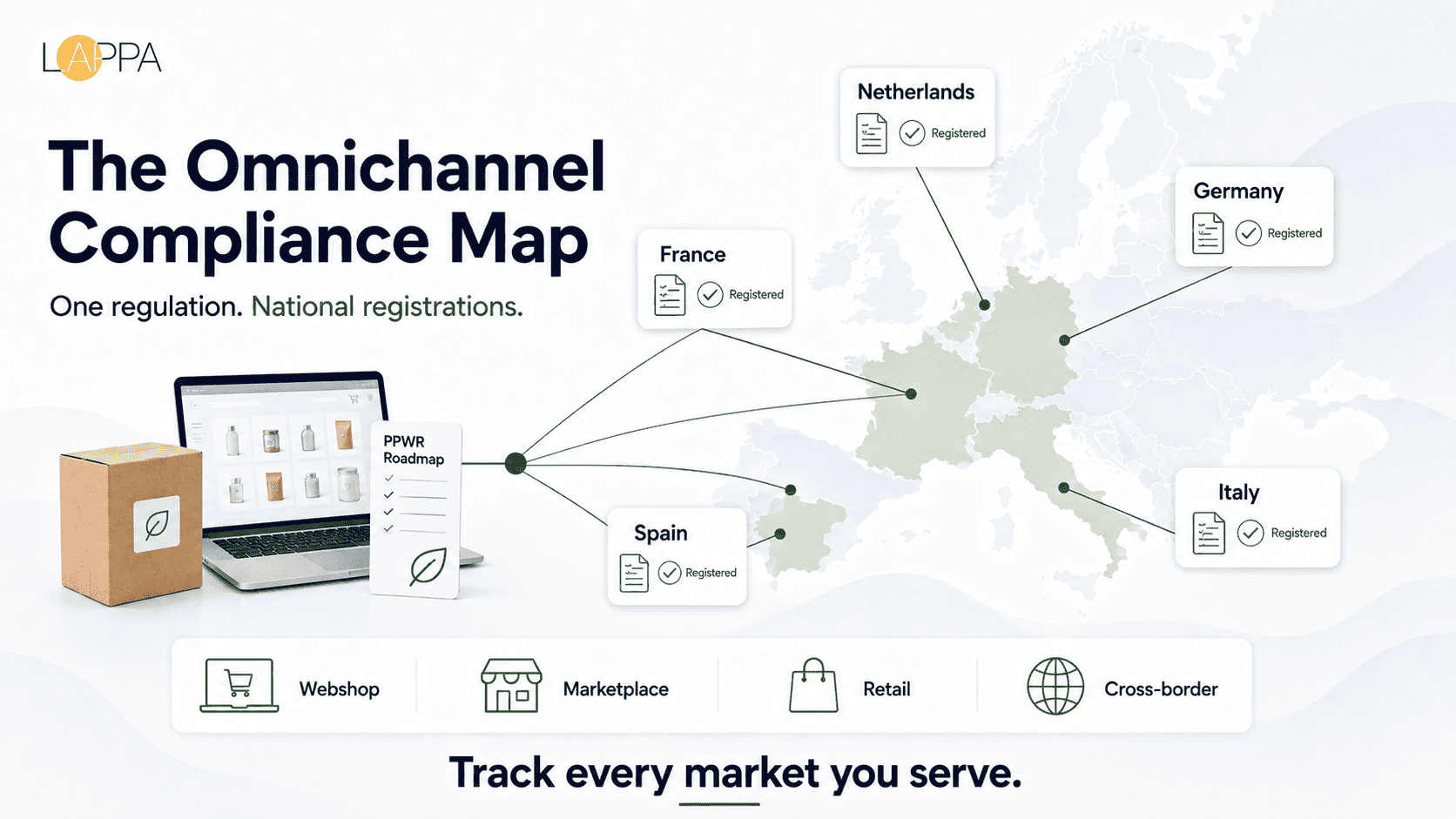
Strong PPWR compliance for multichannel sellers hinges on one messy reality. You must register for extended producer responsibility in each country where you sell. A seller shipping to five markets may hold five separate registrations. Marketplaces now police this, and a missing registration means suspension.
The table below maps common channels to their core duty.
|
Sales Channel |
Key PPWR Duty |
Who Usually Owns It |
|
Own webshop |
Declaration, minimisation, national registration |
You, the seller |
|
Marketplace |
Valid registration before listing |
Seller, checked by the platform |
|
Physical retail |
Declaration and correct markings |
Producer, checked by the retailer |
|
Cross-border trade |
Registration in each destination state |
Distance seller or importer |
Registering as a Producer Across Borders
Platforms like Amazon, Zalando, and eBay must verify your registration per market. Sell into Germany without a LUCID entry and your listing can freeze. France, Spain, and Italy each run their own scheme and identifier. Track every market you serve, then confirm a live registration in each.If you sell packaging into the EU without being established in the market where representation is required, Lappa can help you appoint an EU Authorized Representative for packaging compliance. Learn about Lappa’s EU Authorized Representative service.
We see this happen often with fast-growing brands. Sales expand into a new country before the compliance team notices. The first warning is a suspended listing, not a friendly letter. Mapping your markets early avoids that painful surprise.
Need help covering your EU representation obligations? Get a free quote for Lappa’s EU Authorized Representative service and find out what your business needs before expanding into another market.
EU PPWR Compliance Steps for Businesses
A clear set of EU PPWR compliance steps for businesses turns a dense law into a short task list. Start with an inventory of every format across every channel. Then assign an owner, a status, and a deadline to each line. The structure matters more than the tool you use.
Work through these steps in order of risk:
- Inventory all packaging across web, marketplace, and retail
- Confirm national registrations in every market you serve
- Test food-contact formats against the substance limits
- Document a minimisation rationale for each parcel and pack
- Draft and sign the declaration with its technical file
Sequence beats speed here. Substance bans and the signed declaration carry the sharpest penalties, so tackle them first. Empty-space and recycled-content targets give you until 2030. Ordering the work by exposure keeps scarce time on the real threats.
Building One Compliance Workflow
A single workflow beats five disconnected efforts every time. Pull your formats, evidence, and registrations into one connected system. That way a change in one channel updates your whole position at once. Spreadsheets crack under this weight as your range grows.
For businesses managing packaging information across multiple products and markets, explore Lappa’s Digital Compliance Labels to keep required product and packaging information accessible through a scalable digital workflow.
Lappa links your packaging data, declarations, and market registrations in one place. The platform flags gaps before a marketplace or a regulator ever does. Get a Free Quote and see where your channels stand today.
Preparation pays back long after the deadline passes. A clean file wins retail listings and keeps every marketplace open. It also spares you the scramble when an audit lands unannounced. Book a Demo to see the workflo
Frequently Asked Questions
It means the same packaging rules apply whether you sell online, through a marketplace, or in a physical store. The regulator checks your declaration, substance limits, and registrations regardless of the sales route. Treating every channel as one obligation keeps your whole business defensible rather than patchy.