EPR Reporting
Software

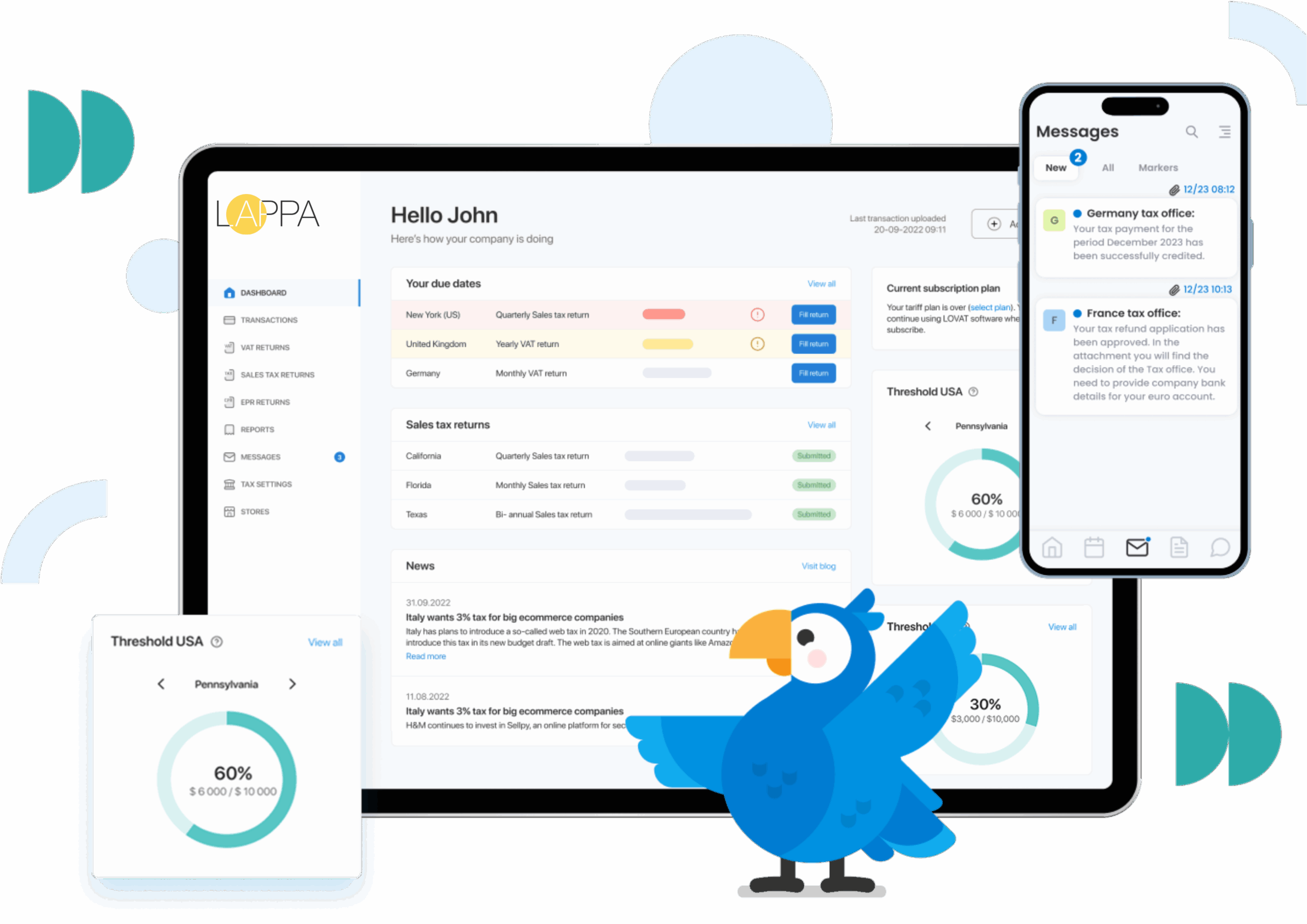
Lappa EPR Reporting Software gives a structured way to prepare and keep EPR report, keep data in sync with your source systems and work with your EPR Authorised Representative on time and without errors

85% Efficiency
Boost your EPR reporting efficiency by 85% with smart data automation and reduced manual input
12 hours
Free up to 12 hours each month by eliminating repetitive tasks in your EPR workflow
6 steps
Reduce your reporting cycle to just 6 simple steps with a clean, guided process

What Lappa EPR Reporting Software does for businesses

Structured EPR report preparation
Full audit trail for every EPR submission
Reduced manual editing and fewer errors
Efficient coordination with internal teams and AR partners
Cash flow planning for EPR fees and invoices

Lappa EPR Reporting Software allows businesses to prepare EPR reports using consistent and reusable data models. Your team no longer needs to rebuild files from scratch for each submission. Instead, records stay unified, stable and ready for every reporting cycle.

Each report comes with a clear audit history. You can trace every action from data import to internal review and final submission. This creates transparency for management teams, authorised representatives and external partners.

Lappa minimises the time spent fixing spreadsheets and updating email threads. Automated validation rules highlight inconsistencies before they become reporting issues, helping your team avoid costly mistakes.

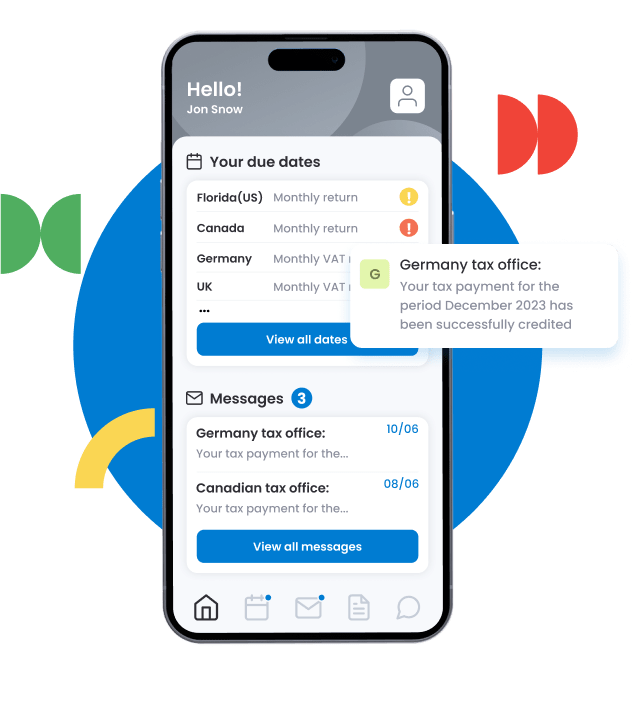
The platform streamlines communication between departments and your EPR authorised representative. Tasks, notes and updates stay in one place, making cross-team work simpler and more predictable.

Plan ahead for upcoming EPR payments. Lappa provides visibility into fee schedules, expected invoices and financial commitments so finance teams can budget accurately and avoid unexpected charges.

Integrations for your EPR Reports with the biggest marketplaces

EPR Reporting Software photo 2
EPR Reporting Software photo 5
EPR Reporting Software photo 3
EPR Reporting Software photo 1
EPR Reporting Software photo 4
EPR Reporting Software photo 6

What reports you can apply with LAPPA EPR Reporting Software

EPR annual report

Year end submissions with full tonnage data, split by material, product type and market.

Interim or quarterly reports

Period based returns that feed into annual totals and EPR payment report schedules

EPR compliance assessment report documents

Summary files and exports that explain coverage, exclusions and data quality checks.

EPR reporting automation with LAPPA

1
Register LAPPA account Start your free 14-day trial or book a demo to see the platform.
2
Set up your tax or EPR settings Data import and mapping. Scheduled imports from ERP, ecommerce and PIM systems, with mapping rules that connect SKUs, packaging hierarchies and transaction data to the EPR data model
3
Integrate your store in a few clicks Connect your store to LAPPA and set up transaction feeds. Transactions flow straight into LAPPA and key tax data is stored automatically.
4
You're good to go! Automatic calculation of weights, packaging splits and fee-relevant quantities for each EPR report.

Lappa is the best consistent EPR cloud-based platform

  • Scheduled imports into a structured EPR data model
  • Single source with change history and role-based access
  • Built-in validation rules across each EPR report
  • Clear record of user actions and approvals
  • Reduced manual steps through EPR automation

Manual EPR reporting compared to Lappa EPR with LAPPA


Option Typical situation Main risk
Internal spreadsheets only One or two schemes, limited scope Process breaks once scope expands
In house custom EPR tool Built by internal IT team Hard to keep up with changing templates and rules
Lappa EPR Reporting Software Several schemes, many products and markets Requires initial project, but gives stable structure

Practical EPR reporting process with Lappa

  • Scope and scheme mapping.
  • Data connections.
  • Configuration of rules.
  • Trial run.
  • Production reporting.
  • Review and improvement.


EPR deadline

EPR free trial for 14 days

Share your current schemes, reporting deadlines and internal tools. We will walk through a practical setup for EPR Reporting Software, and EPR registration support and EPR authorised representative services.

Learn more about EPR Categories

EPR for Electronics and Equipment

EPR Electronics & Electrical Equipment rules treat producers as responsible for the full life cycle of many electronic products

Read

EPR For Packaging

EPR Packaging rules place full life-cycle responsibility on producers for the packaging they introduce to the market.

read

EPR for Textiles and Footwear

EPR for Textiles and Footwear places a full life-cycle responsibility on producers for the textiles and footwear they introduce to the market

read

EPR compliance assessment report results

Alex R.

Alex R.

CEO

Submitting EPR reports  with Lappa and very happy that it saved the time. Everything is automated, so I no longer need to constantly track deadlines — the system does it all for me. The time savings are huge!

Inma S.

Inma S.

CMO

EPR reporting used to take a lot of time – the process is much faster and clearer. The platform reminds me of deadlines, and the interface is perfect for tracking tasks. A great tool for businesses!

Raul F.

Raul F.

HOD

Lappa has honestly been a lifesaver. All my EPR info is finally in one place, I’m no longer stressing about deadlines, and reports get submitted quickly without mistakes. It’s super convenient and saves me a ton of time.

Laila A.

Laila A.

COT

Lappa has made my EPR reporting so much easier. With their system, I always know exactly what I need to do, and keeping track of tasks is simple. It’s really user-friendly and intuitive to use!

Frequently asked questions EPR how to report -

What is EPR reporting

EPR reporting means sending detailed information about the products and packaging you put on the market, in line with Extended Producer Responsibility rules. A typical EPR report includes data on volumes, material types, and evidence that you’re enrolled with a Producer Responsibility Organisation (PRO).

Why is EPR reporting platform is important
EPR reporting plays a key role in:
  • Reducing environmental impact

  • Encouraging sustainable habits like recycling and responsible waste management

  • Staying compliant with European environmental regulations

When your EPR reports are accurate and filed on time, you lower the risk of fines or interrupted sales, gain better visibility across your supply chain, and clearly demonstrate your commitment to environmental responsibility.

Who needs to report for EPR

If you sell, import, or distribute packaged goods, electronics, batteries, or textiles in countries with EPR rules (like France, Germany, Spain, or the UK), there’s a good chance EPR applies to you.

You’re likely in scope if you:

  • Sell on marketplaces like Amazon, eBay, or Shopify in the EU or UK

  • Import or manufacture products under your own brand

  • Use third-party fulfilment services (e.g. Amazon FBA)

  • Run a B2C business in a country with EPR regulations

In these cases, you’ll usually need an EPR registration number and must file EPR reports through an approved EPR system or platform.

Check if you’re in scope

When should the EPR report be submitted

In most countries, EPR reporting is done once a year. However, if you’re a large seller of electronics or batteries, you’ll usually need to report every quarter.

The exact deadlines depend on your registration and the country, but in many cases the reporting window runs from January 1 to around August 1. For example:

  • UK – If you place packaging on the market, you must submit your annual EPR report by 31 May of the following year.

  • France – If you place batteries on the market, you report every quarter, and your EPR return is due by the 15th day after the quarter ends.

Lovat users don’t have to keep all these dates in their heads. Deadlines are clearly shown in the Lovat dashboard, and automatic reminders help make sure you never miss a report.

Prices for annual reports start from €190 (excl. VAT) for packaging and €250 for other EPR categories.

Check EPR guides for your country to see exactly what applies to you.


What does EPR reporting include

EPR reports usually cover things like:

  • What materials are used in your packaging

  • How much of it comes from recycled or post-consumer sources

  • What you’re doing to manage waste and support recycling programs

In short, it’s a snapshot of how your products and packaging impact the environment and what you’re doing to reduce that impact.

What kinds of information do I need to report

You can expect to report things like packaging weight by material, number of units sold, product categories, your EPR registration number, PRO contract details, and payment references.

Most of this data usually comes from systems you already use—your ERP, PIM, marketplace exports, and accounting records.

What is a Producer Responsibility Organization (PRO)

A PRO is there to help you handle your EPR responsibilities. It takes care of things like signing the right contracts, collecting and managing eco-fees, arranging recycling, and providing the official confirmations you need.

In many countries, you can’t even submit an EPR report unless you’re signed up with a PRO.

What are the benefits of EPR reporting for businesses

Filing your EPR reports on time helps you stay on the regulator’s good side, keep your products on the market, and get useful insights into your packaging data. When you automate EPR reporting, you cut down the prep time and significantly reduce the chance of human error.

See how automation works in practice — book a 15-minute demo.

How can Lappa with EPR reporting

Lappa is with you every step of the way, offering:

  • Help getting registered for the right EPR schemes

  • Liaison and coordination with Producer Responsibility Organisations (PROs)

  • Hands-on support with preparing and submitting your reports

  • Practical advice on reducing packaging waste and making your operations more sustainable

Start a free trial and see how easy EPR compliance can be.


Is EPR reporting required annually

In most countries, you’ll need to submit at least one EPR report each year — this is your main annual filing. On top of that, you may also have to send in regular EPR payment reports and keep records of PRO confirmations. The exact rules can vary, so it’s always worth double-checking what applies where you operate.

Check your country in the Tax Library to see the specific requirements.