
EPR Food & Beverage Containers
as part of producer responsibility
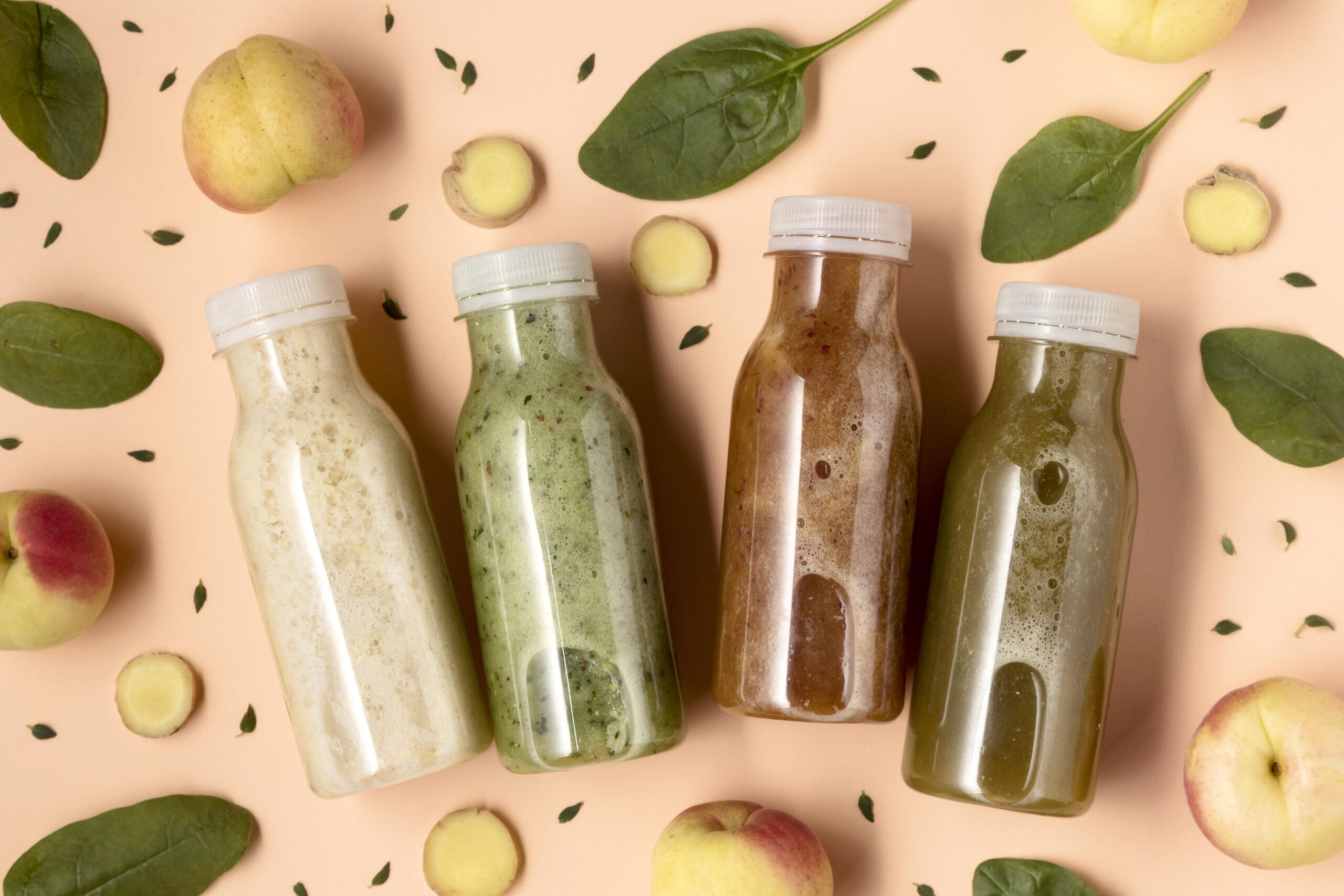
EPR Food & Beverage Containers focuses on packaging used to sell, serve or transport food and drink. When a company places these containers on a national market, EPR Food & Beverage Containers rules can apply. Authorities expect producers to contribute to systems that collect, sort and recycle packaging such as trays, cups, bottles and boxes.
Who is considered the producer under EPR
Under EPR Food & Beverage Containers rules, the producer is usually the entity that first places the packaged product or container on the national market under its name or brand. In practice this often includes:
- Food and drink manufacturers that sell products in their own branded packaging
- Importers that bring filled or sometimes empty EPR Food & Beverage Containers into a country for local use
- Retailers and hospitality chains that sell private label items or use branded containers for takeaway and delivery
Packaging suppliers are not always producers under EPR Food & Beverage Containers unless they place goods under their own brand. In cross-border cases, the same group can be treated as the producer in several countries. Lappa works with clients to map roles clearly so EPR Food & Beverage Containers responsibilities sit with the correct legal entities in each state.
Data requirements for EPR Food & Beverage Containers reporting
Accurate reporting under EPR Food & Beverage Containers depends on consistent packaging and sales data. Many companies maintain materials and weights for operational reasons, but these records are not always structured for EPR. Lappa helps teams align internal data with scheme templates for EPR Food & Beverage Containers.
A typical reporting data set includes.
When these fields are complete and controlled, organisations can prepare EPR Food & Beverage Containers reports with fewer last minute changes and clearer audit trails.
Packaging types covered by EPR Food & Beverage Containers
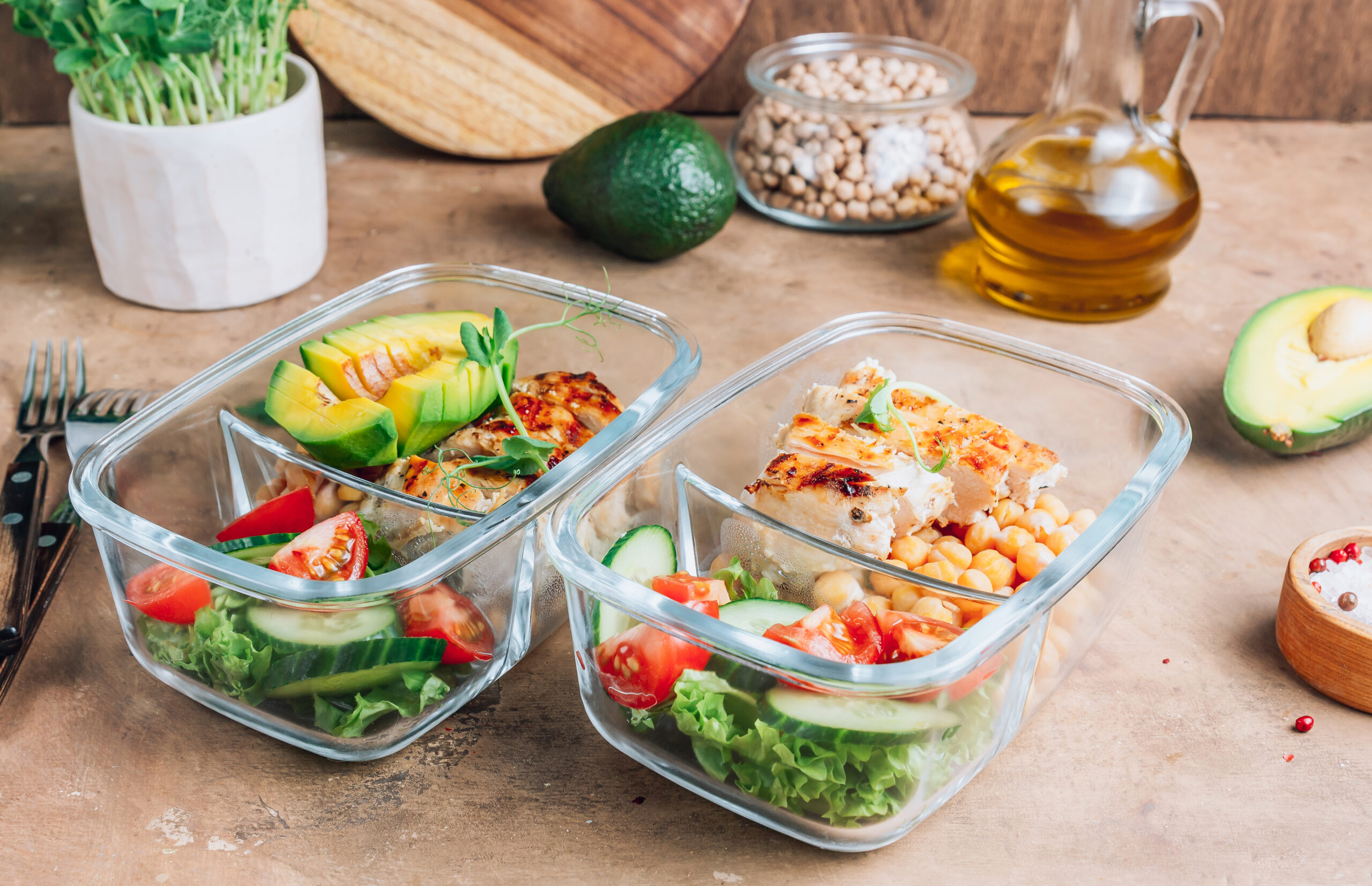
National systems define which packaging falls within EPR Food & Beverage Containers rules. Lists differ, but they usually focus on items that directly hold food or drink. Common examples include:
- Rigid and flexible food trays, tubs and punnets
- Bottles, cans and cartons for beverages
- Lids, films and wraps used on ready meals or chilled products
- Takeaway boxes, burger clamshells and similar containers
- Cups for hot and cold drinks, including EPR Food & Beverage Containers used in cafés and quick service formats
- Other food and drink containers defined in local rules
Correct scoping is essential, because EPR Food & Beverage Containers duties apply only where national definitions are met. Misjudging scope can lead to under reporting or double reporting when several schemes overlap. Lappa supports organisations in matching packaging catalogues and bill of materials to EPR Food & Beverage Cont
Differences in EPR Food & Beverage Containers rules across Europe
Although EU level rules set shared goals, each country applies EPR Food & Beverage Containers requirements through its own legislation and scheme structures. Some states operate dedicated fee structures for on the go packaging. Others distinguish between household and commercial EPR Food & Beverage Containers or link them to single use plastics rules.
Reporting periods may be annual or more frequent. Templates differ in how they group EPR Food & Beverage Containers by material, product type or channel. For companies active in several markets, this variation means EPR Food & Beverage Containers cannot rely on one generic template. Duties must be mapped state by state. Lappa maintains a structured view of national requirements and helps clients build one central EPR Food & Beverage Containers framework that still respects local detail.

Registration process for EPR Food & Beverage Containers schemes
Before submitting reports, companies usually need to register as producers under relevant packaging schemes that cover EPR Food & Beverage Containers. Registration confirms who is responsible and which scheme receives reports and fees. Lappa guides clients through this process so EPR Food & Beverage Containers registration proceeds in a controlled way. Typical registration work includes:
- Identifying legal entities that qualify as producers for EPR Food & Beverage Containers
- Collecting legal documents and contact details required by schemes
- Declaring packaging types, materials and expected volumes for EPR Food & Beverage Containers
- Signing scheme contracts and accepting terms and conditions
- Receiving producer or registration numbers for use in EPR Food & Beverage Containers reports
For foreign companies without a local entity, registration may also require appointment of an authorised representative under national rules for EPR Food & Beverage Containers.
Common approaches to EPR Food & Beverage Containers compliance
Organisations use different methods to manage EPR Food & Beverage Containers, often based on their size, channel mix and number of markets. Each approach has clear consequences for effort, risk and visibility.
Methods for managing EPR Food & Beverage Containers duties
| Method | Typical situation | Main concern |
| Local spreadsheets | One or two markets with limited EPR Food & Beverage Containers volume | High manual effort and weak audit trail |
| Local adviser as main record | Single country with growing EPR Food & Beverage Containers obligations | Limited visibility for central compliance and finance |
| Lappa structured environment | Multi country EPR Food & Beverage Containers portfolio | One data model and repeatable reporting process |
This comparison helps senior staff decide when to move EPR Food & Beverage Containers work into a more formal system.
Workflow Lappa uses for EPR Food & Beverage Containers reporting
Once registration is complete, EPR Food & Beverage Containers duties move into a periodic reporting cycle. Lappa uses a structured workflow that helps teams coordinate this work with other EPR areas. Typical reporting steps include:
- Confirm which packaging formats remain in scope under EPR Food & Beverage Containers in each country
- Import packaging and sales data from ERP, PIM and point of sale systems
- Map items to EPR Food & Beverage Containers categories and validate weight and material fields
- Prepare draft reports in scheme formats for EPR Food & Beverage Containers submissions
- Review figures with packaging, commercial and finance staff, then correct anomalies
- Submit final EPR Food & Beverage Containers reports before national deadlines
- Store confirmations, invoices and correspondence in one organised record
This workflow makes EPR Food & Beverage Containers reporting more predictable and reduces dependence on ad hoc manual work near deadlines.

Internal roles involved in EPR Food & Beverage Containers compliance
EPR Food & Beverage Containers touches several internal functions. Packaging engineers and product teams define formats and materials. Procurement manages contracts with suppliers of EPR Food & Beverage Containers. Marketing and category teams influence product and pack design for customers. Sales and channel teams decide where items are sold, including retail, food service and delivery. Finance manages scheme invoices and provisions. Compliance or sustainability teams coordinate registration and reporting.
Lappa supports these groups by defining clear responsibilities for EPR Food & Beverage Containers. Packaging and product teams provide structured technical data. Commercial teams confirm markets and channels. Operations teams supply volume information. Finance teams track fee impact linked to EPR Food & Beverage Containers. Compliance teams oversee submissions and manage dialogue with schemes and authorities. Clear roles reduce the risk of late changes and disputed figures.
How EPR Food & Beverage Containers data supports planning
Although compliance is the primary aim, data collected for EPR Food & Beverage Containers can support broader planning. Volumes by packaging type, material, channel and market show how obligations change over time. This helps organisations see how format changes, refill models or reuse pilots may influence EPR Food & Beverage Containers fees.
Structured records also make it easier to respond when schemes or regulators review historic periods. Instead of searching archived files, staff can retrieve EPR Food & Beverage Containers data from one environment and respond with concrete figures. This reduces time spent on reviews and improves internal confidence in reported data.
Benefits of a structured model for EPR Food & Beverage Containers
Companies that adopt a structured model for EPR Food & Beverage Containers gain practical benefits in daily work. Reporting becomes easier to schedule and manage. Staff spend less time rebuilding old records or correcting errors close to deadlines. Dialogue with schemes and authorities is based on consistent EPR Food & Beverage Containers data rather than partial information.
Over time, this approach reduces the risk of backdated corrections, unplanned charges and repeated remedial projects linked to EPR Food & Beverage Containers. It also supports product and packaging decisions, because the organisation already has a clear method for assessing how new formats affect obligations under EPR Food & Beverage Containers rules.

Conclusion
EPR Food & Beverage Containers is now a regular requirement for companies that place food and drink packaging on regulated markets. The mix of material rules, single use restrictions, scheme differences and cross border sales can create real pressure for internal teams. Without a structured model, EPR Food & Beverage Containers duties can quickly turn into a recurring series of urgent projects.
Lappa works with manufacturers, brands, importers and retailers to build a stable approach to registration, data collection and periodic reporting under EPR Food & Beverage Containers schemes. With clear processes, shared templates and defined responsibilities, organisations can treat EPR Food & Beverage Containers as part of normal compliance work rather than a constant source of stress.